
Science Fiction Board Games Worth Playing at Your Next Game Night
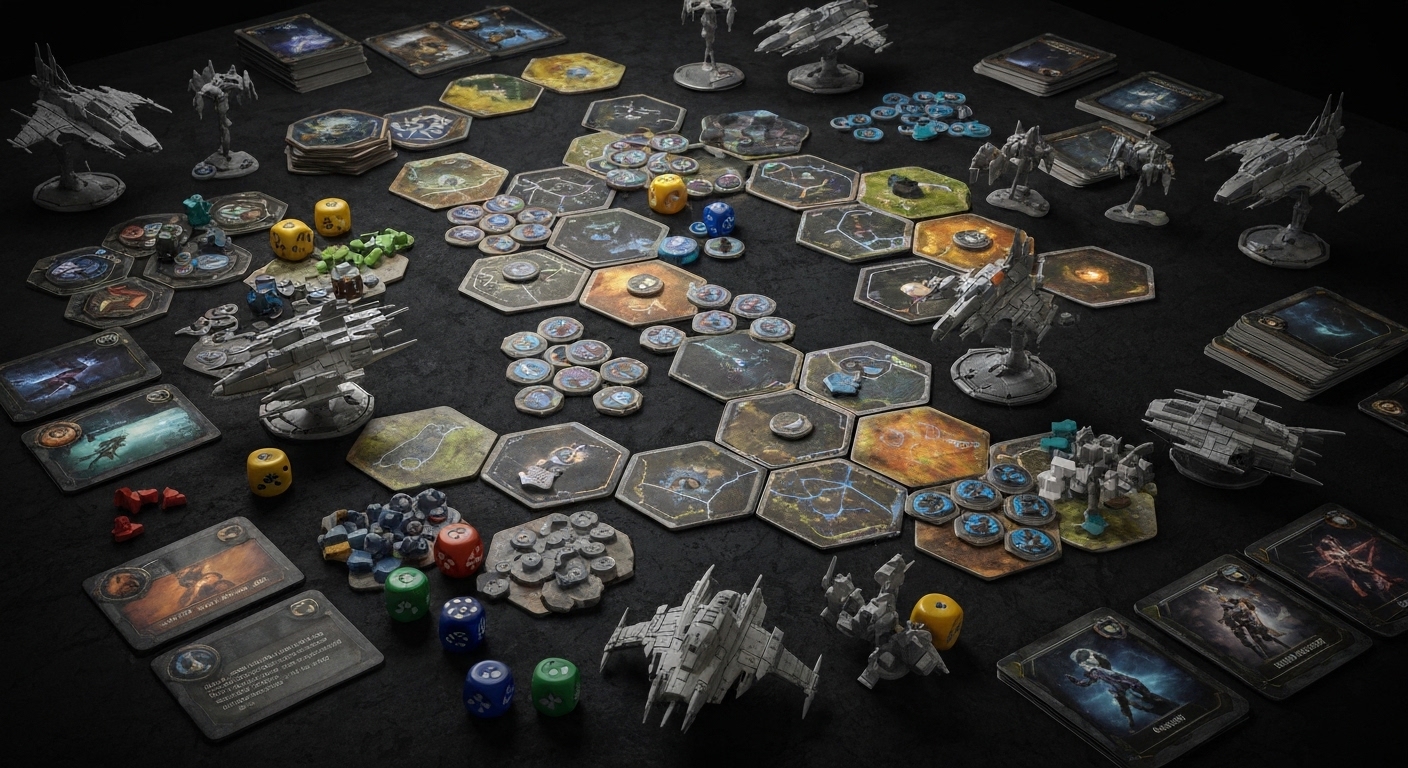
Tabletop RPGs get most of the spotlight in the sci-fi gaming community, and for good reason. But science fiction board games have been quietly delivering some of the most engaging experiences at the table for decades, and the current era of game design has produced entries that rival any RPG session for depth, tension, and storytelling. Whether you are a lifelong tabletop gamer or someone whose RPG group needs a one-session break from the campaign, the right board game can scratch every itch the genre offers.
The appeal is straightforward. An RPG campaign requires weeks of preparation, a committed group, and a skilled game master. A board game requires one evening, a table, and a willingness to read a rulebook. Science fiction board games compress the core pleasures of the genre — exploration, conflict, resource management, discovery — into a self-contained package that you can open, play, and finish in a few hours. That compression forces designers to make elegant choices about which mechanics matter most, and the best games are remarkably efficient at delivering complex experiences.
What Makes a Great Sci-Fi Board Game
The best science fiction board games share a few characteristics that separate them from generic Euro-style games with a space theme pasted on. First, the theme is load-bearing. A great sci-fi board game could not be reskinned as a medieval farming simulator without losing something essential. The mechanics should make you feel like you are commanding a fleet, exploring alien worlds, or negotiating trade agreements between star systems — not just pushing cubes around a board.
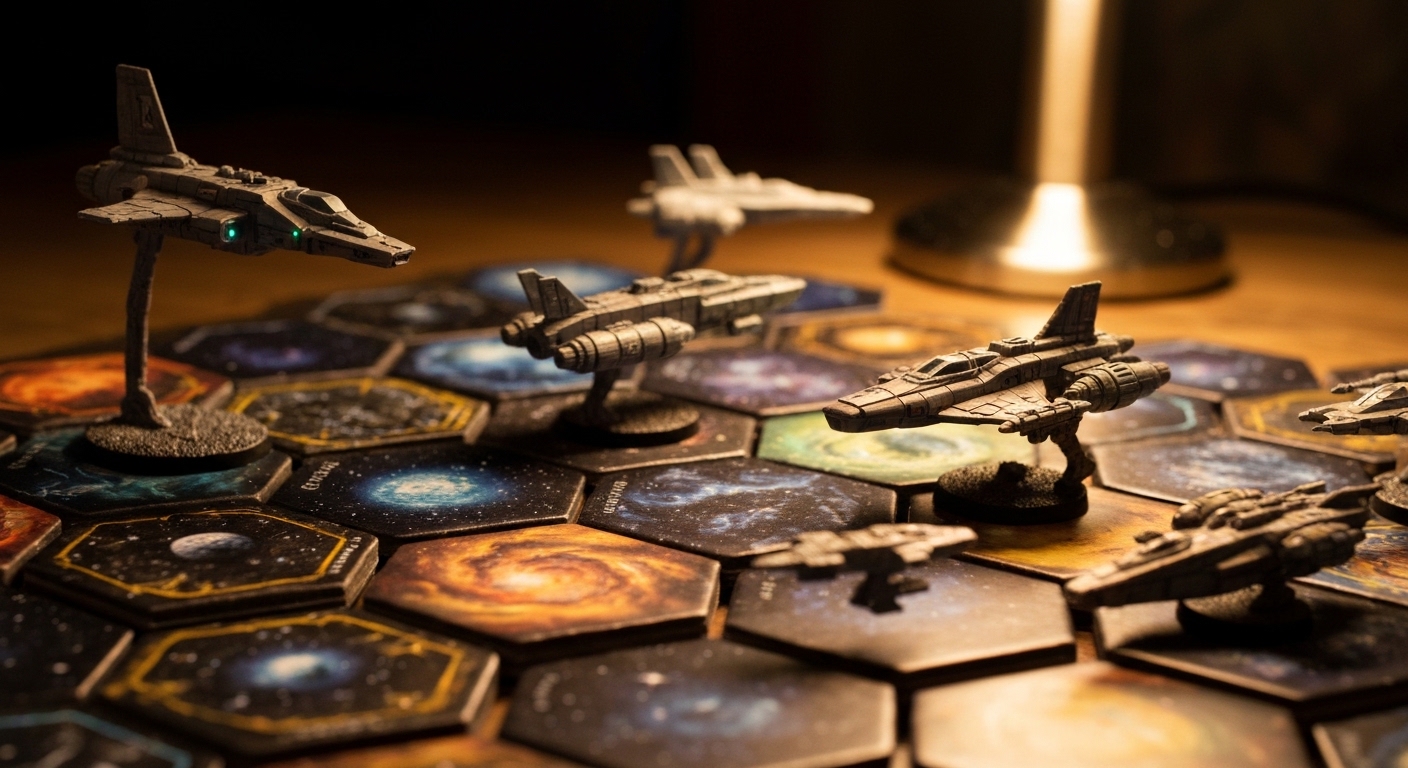
Second, meaningful decisions. In a well-designed game, every choice involves a trade-off. Do you invest in military technology or diplomatic relationships? Do you colonize the resource-rich planet near hostile territory or the safer but less profitable one further away? These decisions should generate stories at the table, the kind of moments players remember and retell.
Third, interaction. The most memorable experiences come from games where players are negotiating, bluffing, forming temporary alliances, and betraying each other at precisely the wrong moment. Solitary optimization puzzles can be satisfying, but they rarely produce the table-banging, argument-starting moments that define a great game night.
Exploration and Survival
The exploration sub-genre represents some of the strongest work in science fiction board games. Games in this category typically drop players onto unknown maps, behind fog-of-war tiles, or into procedurally generated galaxies where every turn reveals something new.
The original Twilight Imperium, released in 1997, established the template for epic-scale space board games that combine exploration with empire building. Its current fourth edition remains one of the most ambitious games ever designed — a full session runs eight to twelve hours and involves managing fleets, researching technology, passing laws in a galactic senate, and negotiating with other players in ways that would impress a career diplomat. It demands commitment, but for groups willing to invest the time, there is nothing else that comes close to its sense of scale.
On the lighter end, cooperative games like The Crew demonstrate that sci-fi themes can work in compact formats. A cooperative trick-taking game with a mission structure has clear parallels to the problem-solving feel of science fiction scenarios, and it plays in under thirty minutes. Not every game night calls for an eight-hour epic.
Space Warfare and Diplomacy
Combat-focused science fiction board games tend to divide into two camps: tactical skirmish games where positioning and dice decide battles, and grand strategy games where warfare is one tool among several.
Star Wars: Rebellion captures asymmetric warfare beautifully, with the Empire's overwhelming military power set against the Rebellion's guerilla tactics and hidden base. The game feels genuinely different depending on which side you play, and it generates narrative tension that mirrors the films without relying on scripted events.
Eclipse offers a hybrid approach, combining Euro-style resource management with a combat system that rewards both preparation and risk-taking. Building ships from modular components, researching technology trees, and then deploying your custom fleet against other players creates a satisfying loop of build, test, and adapt. It is one of the few science fiction board games that makes the economic and military layers feel equally important.
For pure tactical experience, miniatures games like Star Wars: X-Wing remain hard to beat. The maneuver dial system, where both players secretly select movements for each ship before revealing simultaneously, creates moments of genuine surprise and outmaneuvering that feel closer to actual piloting than most combat games achieve.
Story-Driven Experiences
A growing category of sci-fi board games emphasizes narrative over mechanics, blurring the line between board games and RPGs in productive ways. These games appeal particularly to RPG players who want story depth without the preparation overhead.
Nemesis, inspired by the Alien franchise, puts players on a damaged spaceship with a hidden alien threat. Each player has secret objectives that may or may not align with the group's survival, creating paranoia and desperate alliances. The game tells a different story every session, and the best sessions end with screaming, accusations, and someone being left behind in a burning engine room.
Forgotten Waters takes a different approach, using an app-driven narrative system to tell an adventure with branching storylines and character development. Its design philosophy points toward where story-focused tabletop games are heading: experiences that generate genuine stories with emotional stakes, not just victory point tallies.
Blending Board Games with RPG Campaigns
For game masters running sci-fi RPG campaigns, board games can serve as more than a break between sessions. A well-chosen game can function as a world-building tool, a combat resolution system, or a standalone episode within a larger narrative.
Consider using a game of Eclipse to resolve a large-scale space battle that would be tedious to run through RPG combat mechanics. Or play a cooperative session to simulate your characters working as a team under pressure, with the card play standing in for coordinated action. The Starships! browser-based RPG understood this principle instinctively — its turn-based strategic layer was essentially a board game running alongside the role-playing, and players who mastered both layers had advantages that pure fighters or pure role-players could not match.
Science fiction board games have earned their place alongside RPGs as a serious medium for telling stories at the table. The genre is wider, deeper, and more inventive than it has ever been, and the best games reward repeated play with new discoveries each time. If your game shelf has been exclusively RPG manuals, consider making room. The next great sci-fi experience at your table might come in a box.